
Step 01
Desizing & Cleaning
Every piece of fabric begins here — soaked in water for 48 to 60 hours, then washed and dried naturally. This removes the sizing agents applied during weaving, leaving the cloth clean and ready to absorb what comes next.

Your Cart
Empty
The Craft
Before a single stitch is made, every VAYOMEIE fabric travels through a traditional preparation process rooted in Kalamkari craft. This is not production — it is practice. The same practice, unchanged, carried forward.
9
Steps from raw cloth to finished garment
48–60 hrs
Initial soak before anything else begins
5–20 days
Resting time for Karakkai absorption
7–30 days
Natural sun drying after printing
Every piece of fabric begins here — soaked in water for 48 to 60 hours, then washed and dried naturally. This removes the sizing agents applied during weaving, leaving the cloth clean and ready to absorb what comes next.
The fabric is treated with a Karakkai solution — derived from the myrobalan fruit — for 4 to 5 hours, then dried in the sun. This traditional mordanting step prepares the fibres to hold colour deeply and permanently.
After treatment, the fabric rests. For 5 to 20 days, it is stored and left to absorb the Karakkai solution fully into every fibre. There is no shortcut here — the waiting is part of the work.
With the fabric prepared, printing begins. Each design is applied by hand using block or screen printing. Our prints are developed in-house — original motifs, not repeats of what has already been done.

The printed fabric is laid out under open sky and dried naturally in the sun. Depending on the fabric type, this takes anywhere from 7 to 30 days. Sun and air do what machines cannot.
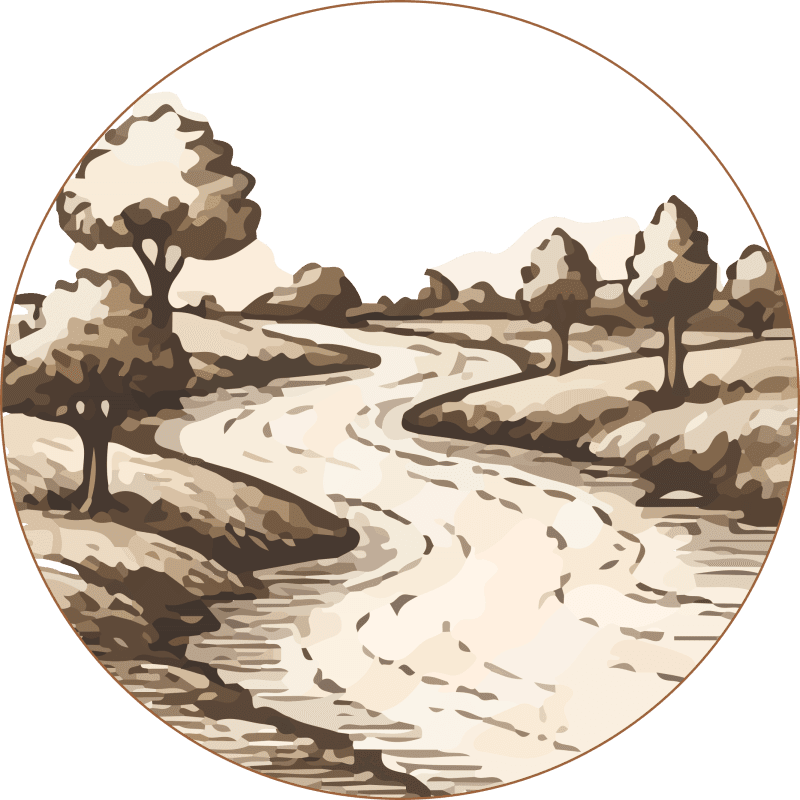
The fabric is washed in canal water to remove excess colour and any remaining impurities from the printing process. Then dried again. The cloth emerges cleaner, the colours truer.

The fabric is boiled in copper vessels — a centuries-old method that sets the colours naturally, deepening their richness without the use of chemical fixatives. The copper itself plays a role in the chemistry.
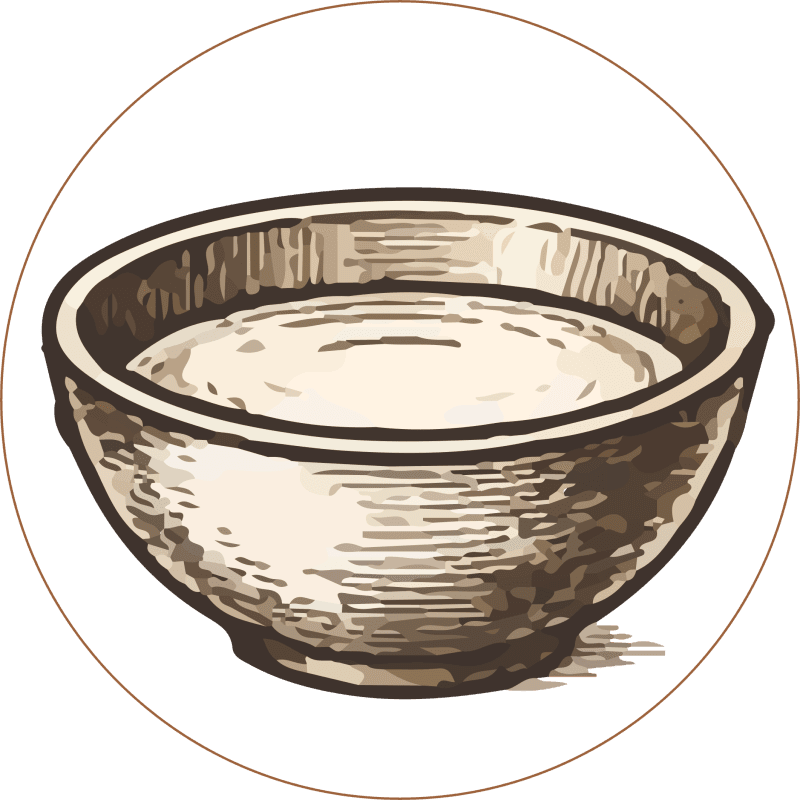
The boiled fabric is soaked in alum water to further improve colour binding, then dried once more. Alum has been used in Indian textile traditions for generations — a natural fixative that keeps colours from fading.
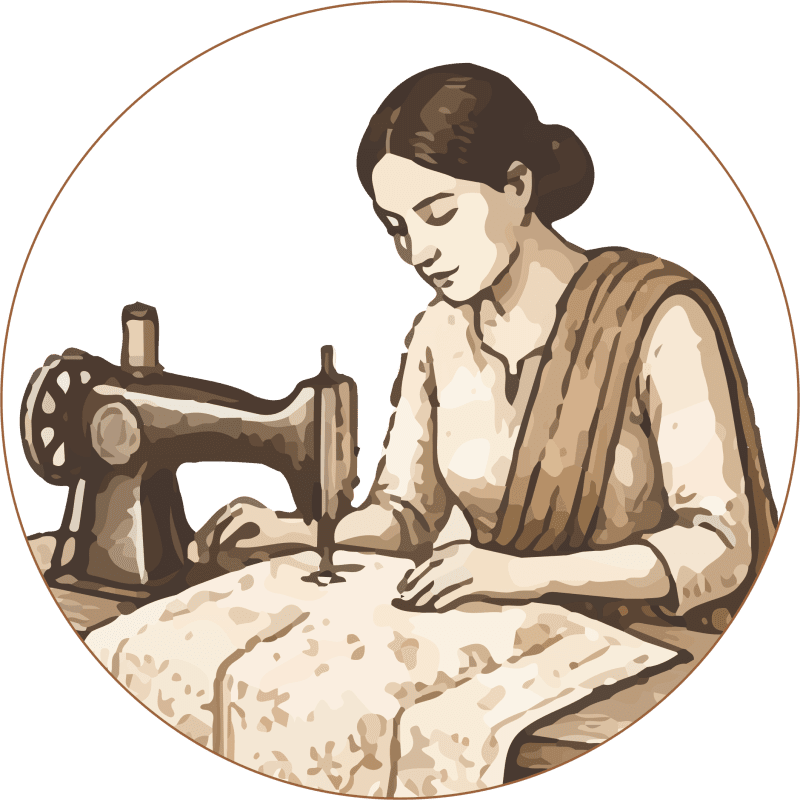
Only now — after weeks of preparation — is the fabric ready to become a garment. Every piece that reaches our tailors has already travelled a long road. That journey is what you feel when you wear it.
The journey begins before the stitch.
This is what you feel when you wear a VAYOMEIE piece. Not the fabric alone — but the weeks it took to prepare it.